25 Collingwood & Blue Mountain Area Wedding Venues That Made Us Say “Wait…Why Aren’t More People Getting Married Here?”
Collingwood and Blue Mountain weddings offer far more variety than most couples expect. From mountain…
Golden hour light in Muskoka is famous for a reason: warm, soft glow, long cinematic shadows, and lakes that seem to catch fire just before sunset. It’s often described as every photographer’s dream, and when it works, it really does feel magical.
But here’s the uncomfortable truth most couples don’t hear early enough: golden hour only works if the sun actually reaches your scene.
In places like Muskoka and Collingwood, the landscape loves to interfere. Tall cliffs, dense pine forests, rolling hills, and escarpments can steal the sun long before the official sunset time. What looks perfect on paper can quietly disappear minutes earlier in real life. The sun plays hide-and-seek, and couples are often the ones left wondering what happened.
That’s why experienced teams don’t just talk about golden hour. They plan for it. Especially when photographing weddings across Muskoka Lakes and the Collingwood & Blue Mountains.
Muskoka’s beauty is also its biggest wildcard.
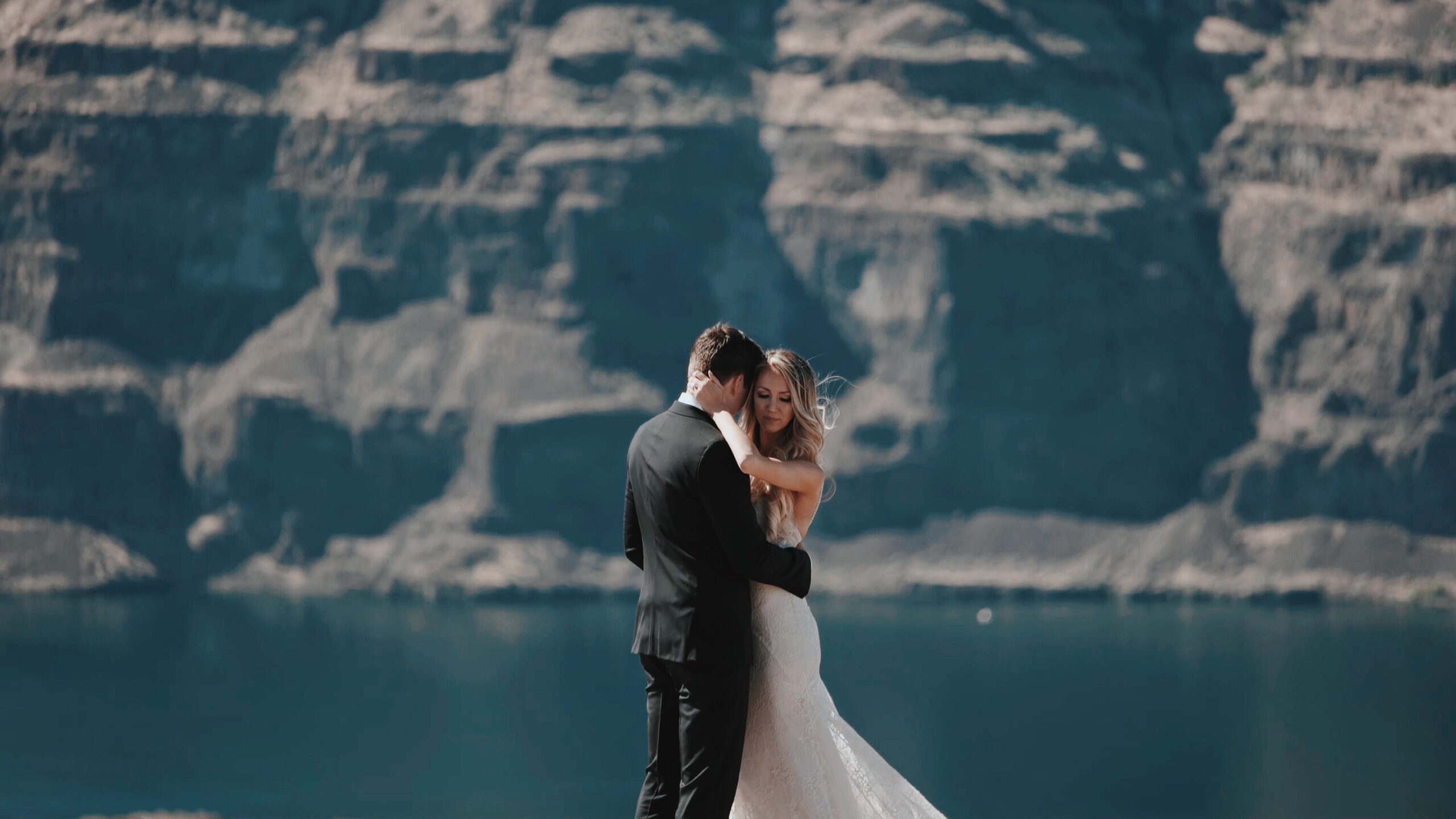
Granite cliffs, rugged shorelines, and thick treelines line many lakefront venues. As the sun lowers, these obstacles cast long shadows well before the listed sunset time, meaning your ceremony or portraits can slip into shade while you still think you’re in golden hour.
Common golden-hour blockers in Muskoka include:
Many venues around Muskoka Lakes appear west-facing on paper, yet a treeline or ridge along the water can hide the sun far sooner than expected. Even locations that feel open can lose direct light quickly once the sun drops low enough.
The takeaway is simple: don’t rely on sunset time alone. Always inspect the real horizon from the exact spot where your photos will happen.
Collingwood presents a different version of the same problem.
With the Niagara Escarpment and Blue Mountain foothills nearby, many venues appear to face a wide, open sky, especially along the water. But when hills sit just below the horizon line, they can quietly block sunlight while the sun is still technically “up.”
A dock or lakeside ceremony may look ideal in photos, yet half your wedding party can suddenly fall into shadow once the sun slips behind a hill. This is especially common around the Collingwood & Blue Mountains region.
Venues near Blue Mountain Resort or private clubs like Osler Bluff Ski Club are stunning, but they require very intentional timing to capture warm light before terrain pulls the plug.
Golden hour simply hits differently here. Even when the sun hasn’t officially set, it may already be gone from your scene.
The calendar matters just as much as geography.
In midsummer, Muskoka sunsets stretch late into the evening, often giving couples a longer window of usable light. But in spring and fall, golden hour arrives much earlier, and the drop-off can be fast.
October weddings are especially vulnerable. What feels like “plenty of time” after the ceremony can turn into shade by early evening, particularly in forested or elevated areas.
The rule is simple:
Always check sunset timing for your exact date and build in buffer time. Golden hour is not a fixed moment. It’s a moving target.
Never show up assuming the light will behave.
During your site visit or rehearsal, stand exactly where your photos will be taken and look west. Pay attention to treelines, hills, cliffs, and shoreline curves. Even small obstructions matter when the sun is low.
Helpful planning habits:
This kind of preparation is exactly why working with an experienced wedding photography team matters. Great light rarely happens by accident.
Here’s a practical guideline most couples don’t hear soon enough:
Golden-hour portraits usually start 60–90 minutes before official sunset.
If sunset is listed at 7:30 PM, portraits often begin around 6:00 PM. That window gives flexibility, accounts for terrain surprises, and captures the best light before it fades or shifts.
Waiting until the “last few minutes” is risky. By then, shadows may already be creeping in, especially in Muskoka or Collingwood. Starting earlier gives you time to move, adjust, and still enjoy your evening without rushing.
Once the sun fully disappears, the mood changes fast.
The sky shifts to cooler blues and indigos. This blue hour can be beautiful, but it’s a completely different aesthetic. Contrast drops, warmth fades, and the light feels calmer, moodier, and more subdued.
In hilly or forested areas, this transition can happen abruptly. The sun slips behind terrain, and suddenly the warm glow is gone. Couples expecting golden light are often surprised by how quickly the tone changes.
If your vision leans toward warm, sunlit portraits, the key is knowing when to stop. Blue hour isn’t worse. It’s just different.
Golden hour is incredible when it’s planned correctly. But it’s not something to leave to chance, especially in regions shaped by terrain.
The safest approach is simple:
If you want help planning light-friendly timelines or understanding how specific venues behave at sunset, explore our wedding photography approach or browse our regional guides for Muskoka Lakes and the Collingwood & Blue Mountains.
Golden hour shouldn’t be a gamble. With the right planning, it becomes one of the best parts of your day.
If Muskoka Lakes isn’t the one — no pressure, no bad feelings, and absolutely zero passive-aggressive “are you SURE?” from us. We cover every major wedding region in Ontario and we’re equally obsessed with all of them. Pick the one that keeps coming up in conversation.
More regions being added regularly — because Ontario has more great wedding venues than any one post can contain, and we’re not even close to done.